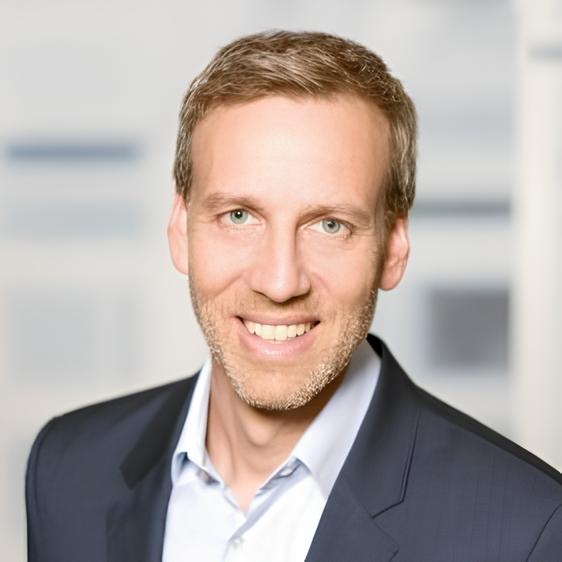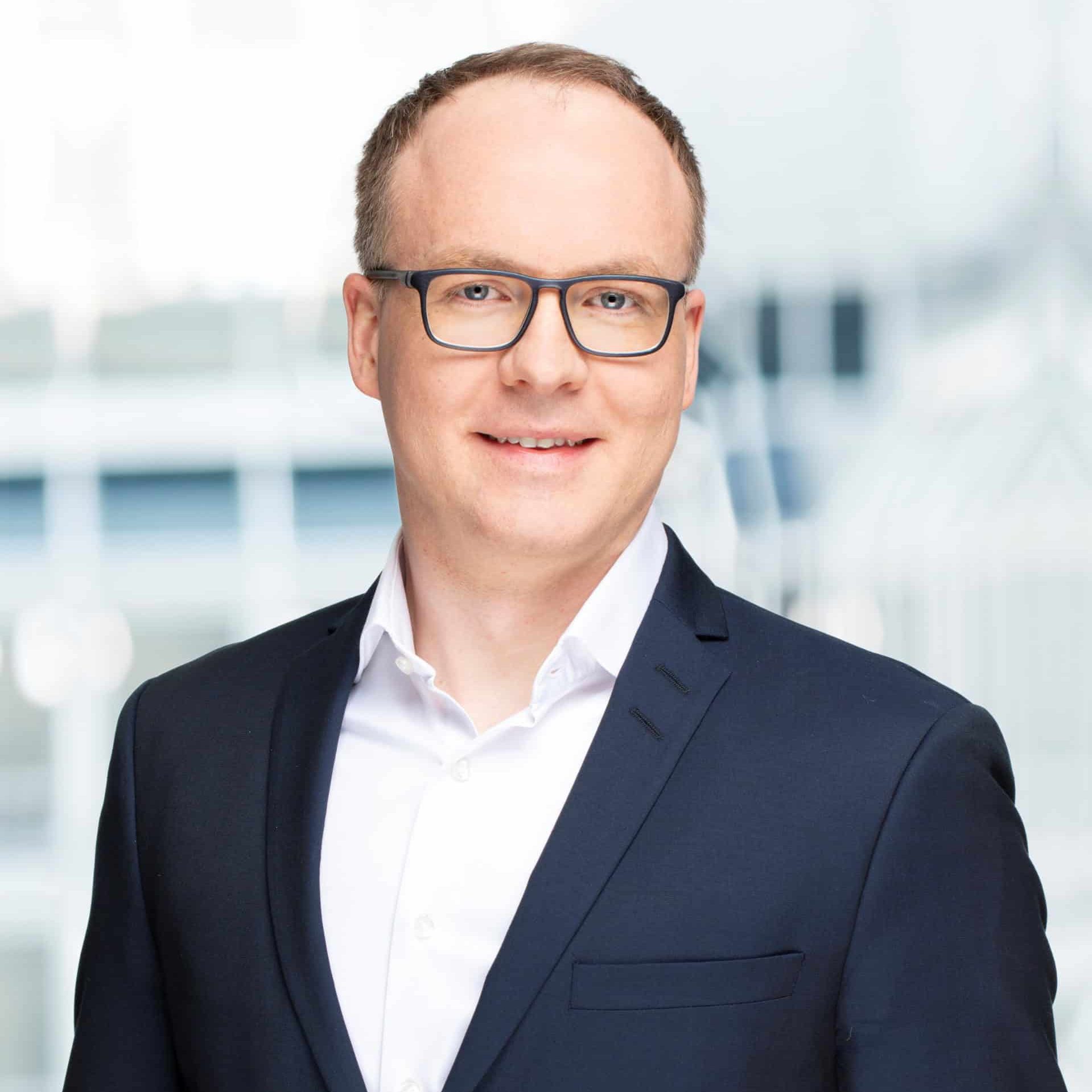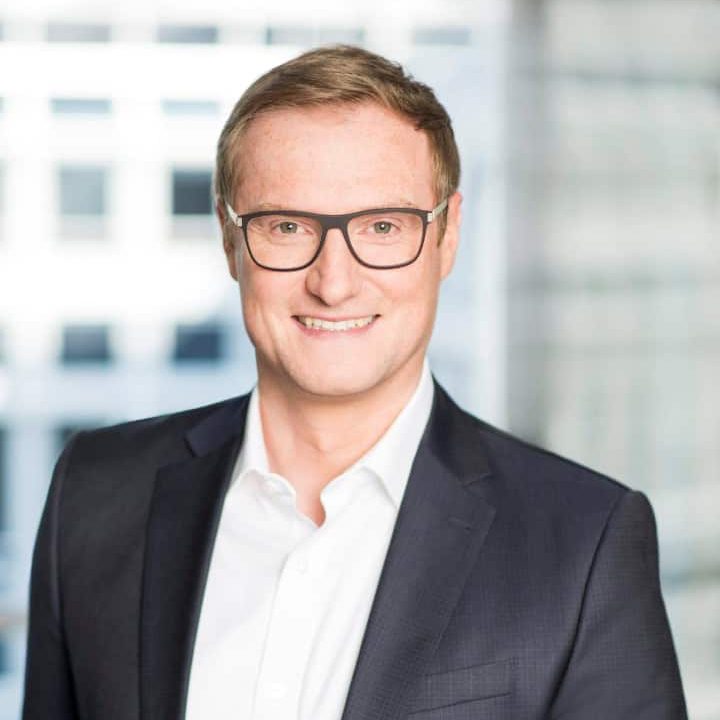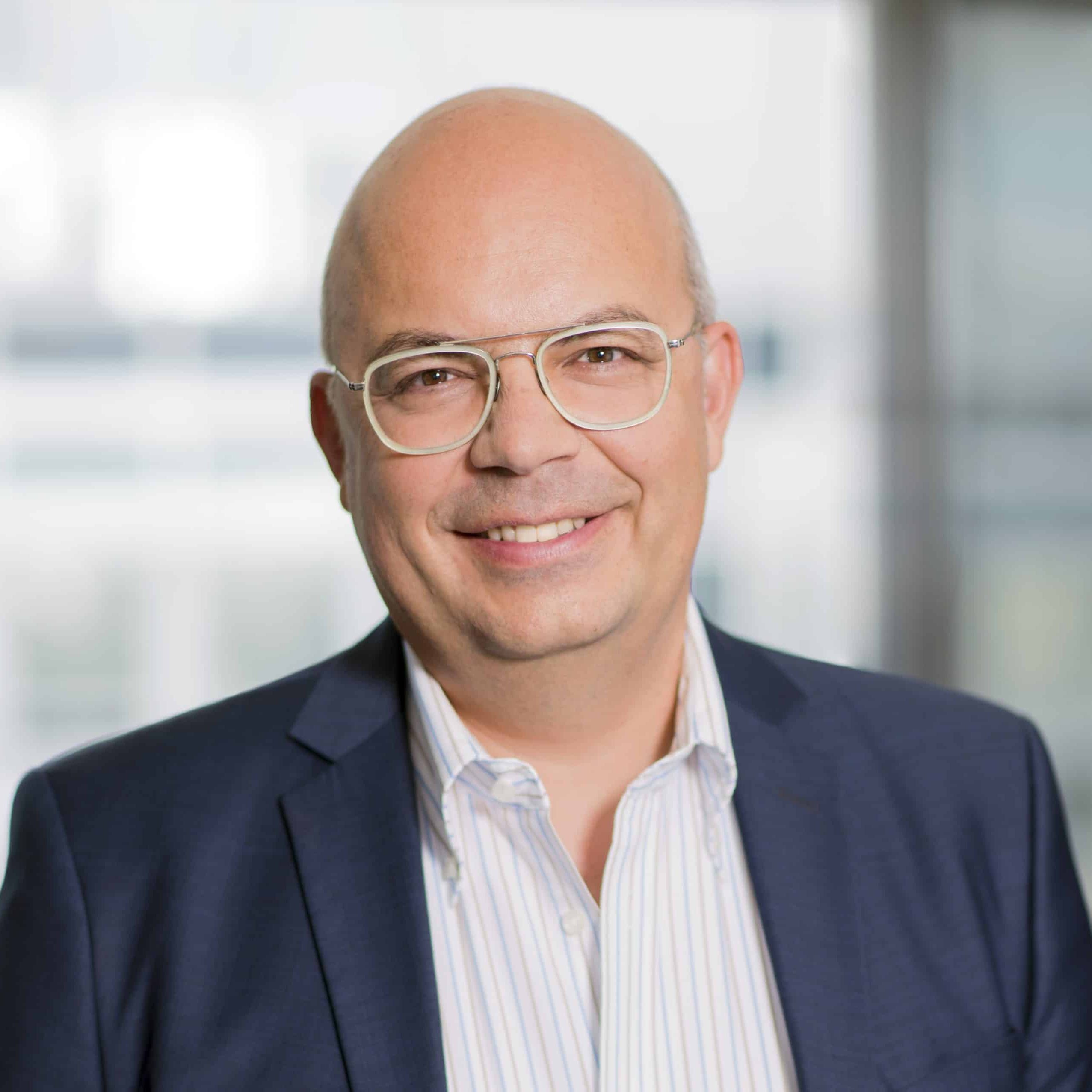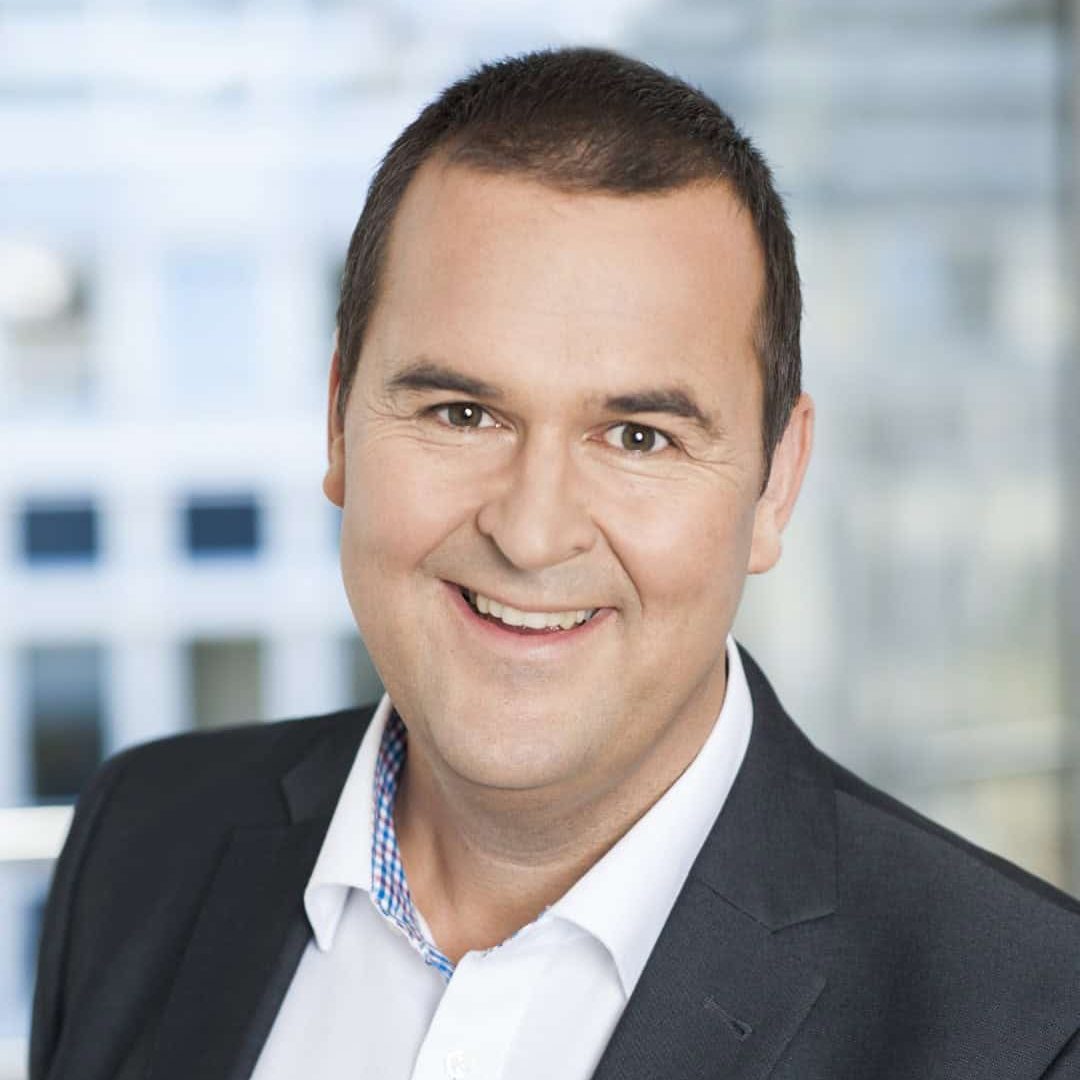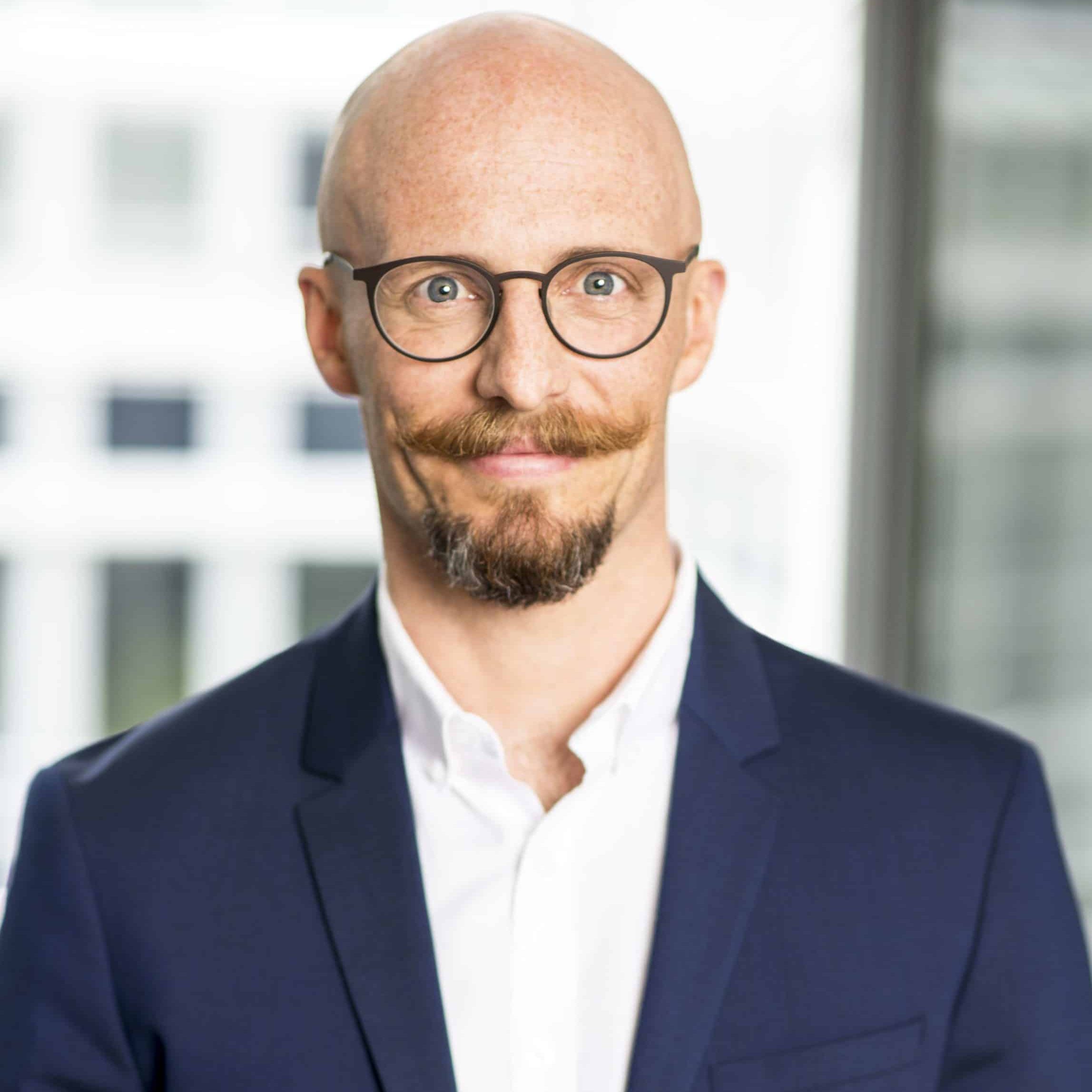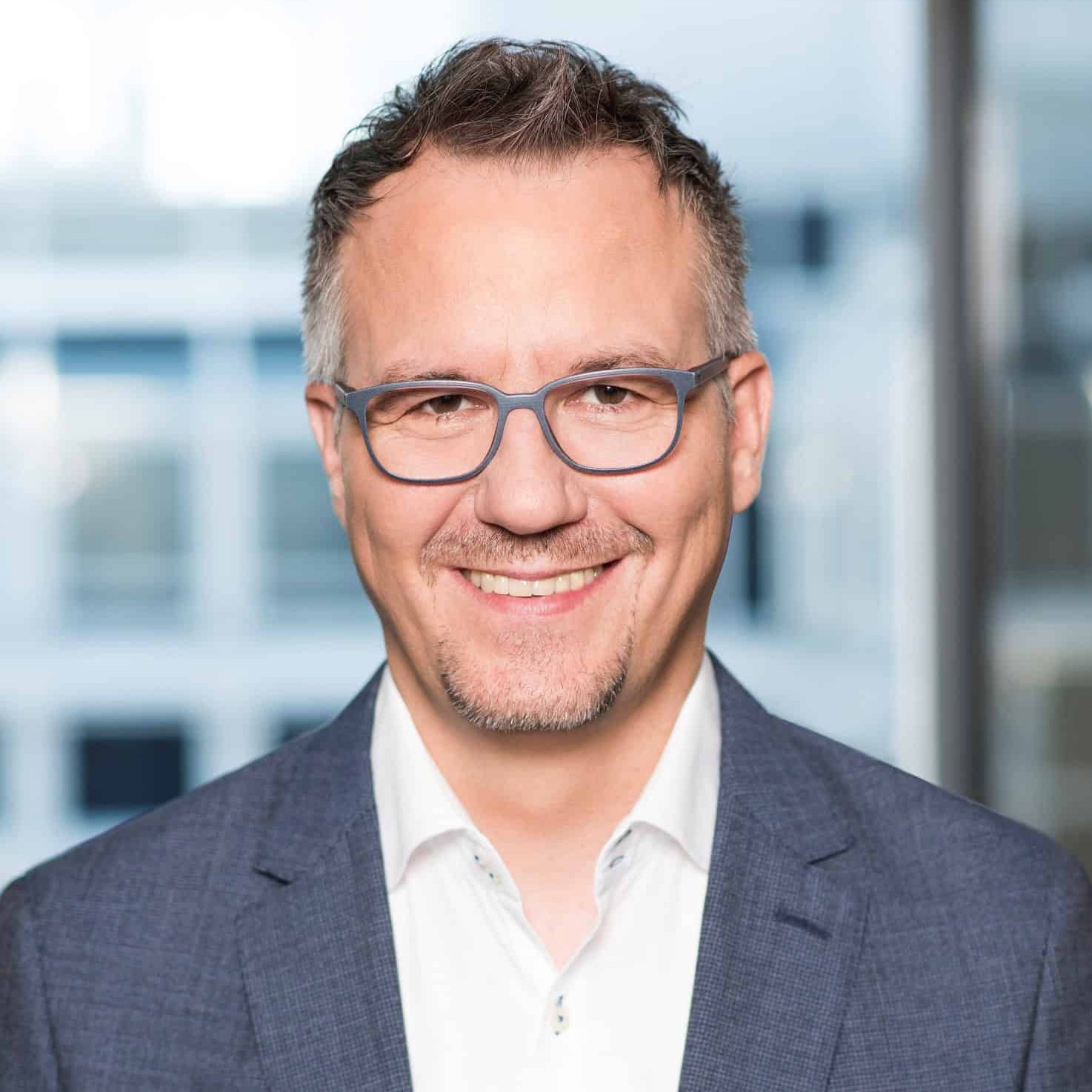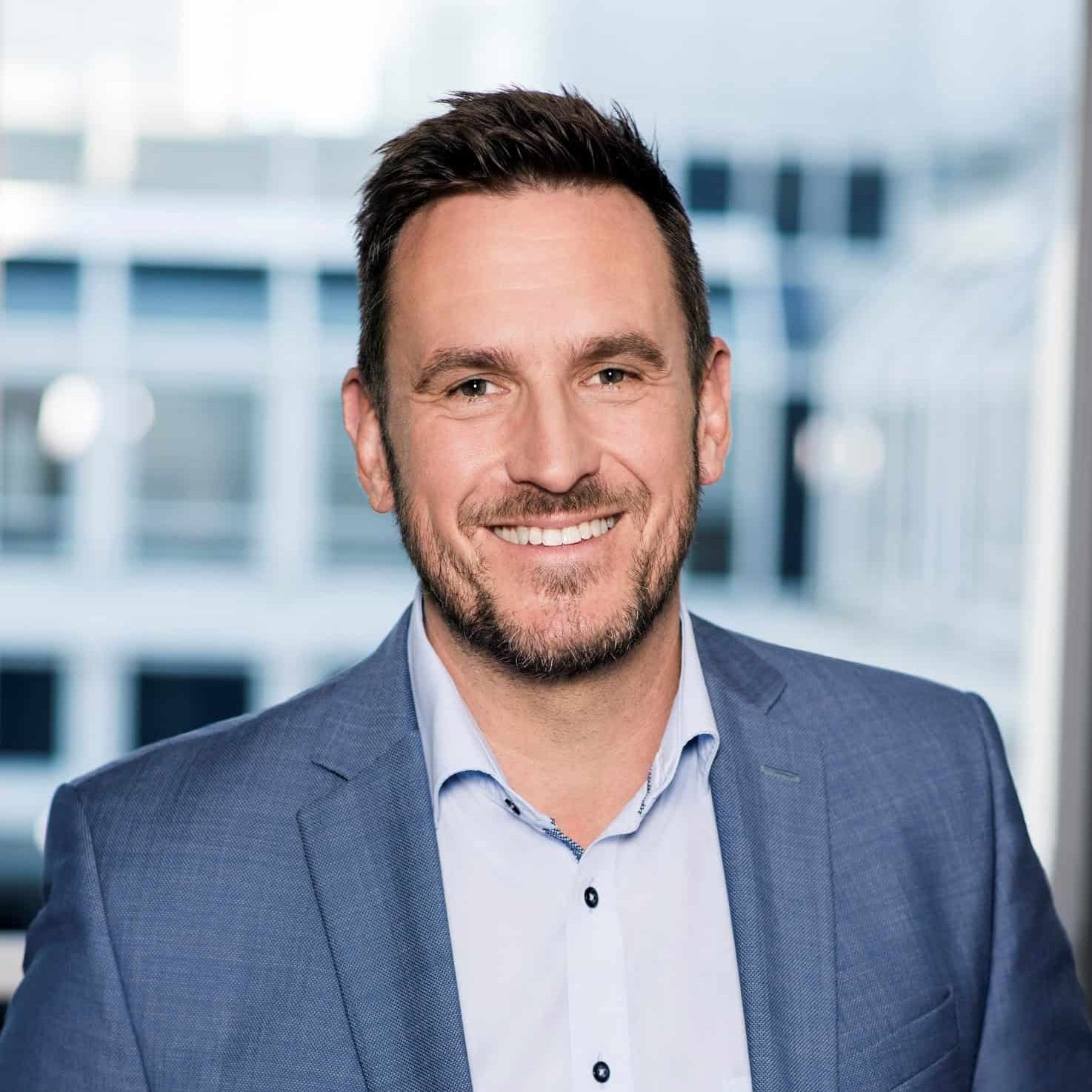

Interview with Markus Hochmayr by Lukas Eckermann and Dr. Martin Gieler
Companies develop products as optimal solutions for specific applications. This approach is deeply ingrained in the processes, work practices, and mindsets of most companies. Modularization, however, requires a broader perspective that extends beyond individual projects and a shift from a local optimum to an overall optimum. This necessitates new processes and methods that must be integrated into the company’s operations.

In this interview, Markus Hochmayr, Chief Engineer of Powertrain at BRP-Rotax GmbH & Co. KG, discusses his experiences with the introduction and implementation of modularization.
BRP-Rotax GmbH & Co. KG, with locations in Austria, Mexico, and China, is part of the global BRP family and specializes in the development and production of powertrains for powersports vehicles, as well as for sport aircraft and karts. Markus Hochmayr has been with BRP-Rotax for nearly 25 years and, as Chief Engineer, focuses not only on new concepts but also on cross-functional technology issues in product development.
3DSE: Mr. Hochmayr, BRP-Rotax has been exploring the topic of modularization for several years now. What motivated you to take up this topic and drive it forward?
BRP-Rotax develops and manufactures powertrain systems for the powersport products of our Canadian parent company, BRP—such as Ski-Doo, Sea-Doo, and Can-Am—as well as for karts and sport aircraft. We currently have 200 powertrains optimized for specific applications. Our goal is to be a technology leader, meet customer expectations, and optimize costs at the same time.
An analysis of our company has shown that modularization can help us meet this challenge. We see significant cost-saving potential in modular products, while at the same time ensuring technological leadership and meeting customer expectations, as well as enabling us to respond quickly to new requirements.
BRP-Rotax has an established, modular product development process that lends itself to integrating methods for developing modular products and applying them throughout the project lifecycle.
3DSE: Mr. Hochmayr, how do you define modular product development? What changes as a result of modularization?
When carrying out the product development process in projects, the focus was on time-to-market. The emphasis on modularization was limited, for example, to the standardization of components or a narrower product scope.
We now have a broader perspective on modularization, considering modules and interfaces across all products. Our goal, therefore, is to achieve a clear module structure and standardized interfaces between the modules. This offers several advantages: modules can be optimized within the interfaces, new technologies can be implemented, and synergies in development, industrialization, and production can be leveraged. It also makes it easier to integrate future variants.
In the past, the commitment to modularization depended on individual developers. Now we are in the process of establishing a structured process, acquiring new skills, and embedding this in our product development process.
3DSE: What drivers, trends, and opportunities do you see that will give this topic a boost?
A key driver is the cost pressure we face. There will always be variants. This is necessary for our technological leadership and competitiveness; after all, variants enable optimized powertrains and vehicles. However, standardized interfaces make it easy to replace module variants with others or reuse them across different products. As long as this does not result in any noticeable disadvantage for the end application, synergies can be leveraged and cost savings realized.
As part of our product development efforts, we aim to quickly integrate new solutions from our technology roadmap into the product. A modular product design provides a framework that facilitates the integration of future technologies.
In addition to a technical analysis, modularization also requires a cost-effectiveness analysis using appropriate, practical methods tailored to our needs. To make these cost-saving opportunities and the interplay between direct and indirect costs transparent, we need cross-departmental collaboration. Ultimately, the resulting synergies will also benefit product quality.
We have a strong position in the market. We need to secure this position by developing new capabilities and maintaining high customer satisfaction. Modularization and customer focus are not mutually exclusive—if done right. On the contrary.
Powersports—with its high performance demands—will continue to rely on internal combustion engines for some time to come. However, as BRP-Rotax, we are also active in the field of electric drives. This will drive the development of new technologies and variants, which must be designed as efficiently as possible. We want to be prepared for this through modularization, especially now that development is still in its early stages.
3DSE: In your view, what are the key elements in the process and implementation of modularization? Based on your experience, what does it take to establish this approach across the entire company?
The modularization process complements the existing product development process, allowing us to establish substantive links through milestones and governance.
So, a clearly defined and understandable process is needed. But that’s just one aspect. It also requires a dedicated team that understands the benefits of modularization, as well as supportive management that provides guidance and sets goals. The team defines and analyzes the module variants and solution scenarios. This takes time and requires a positive attitude from the employees. We foster this through training and raising awareness. It sounds simple, but it has to be achieved first.
For familiar products, such as engines or transmissions, it is possible to quickly identify the general module structures. Finding the appropriate module cross-section requires an analysis of the requirements that drive variants, interfaces, and variants. Deriving and evaluating module scenarios is a complex process. To achieve results efficiently, we have taken a new approach.
Financial evaluation requires a pragmatic and accurate method to identify and highlight potential savings. We consider both direct and indirect costs, using a combination of top-down and bottom-up calculations along the value chain. The time horizon is determined by the project duration and the annual production volume forecast.
We use a two-step process for our decisions, in which a project-independent committee first evaluates the recommendations resulting from the modularization. This is followed by planning, decision-making, and implementation within the specific project.
As a process owner, you have to be fully committed to driving the initiative forward. We develop it, demonstrate how it works, and prove that it works. As initial successes take hold, positive momentum builds, and the initiative can then be rolled out on a broader scale.
Strong requirements management provides a solid foundation for modularization. That is why we also want to step up our efforts in this area to strengthen our processes and methodologies.
Standardized interfaces and modules across product families will only develop over time. In the long term, we will then implement additional organizational measures, such as embedding module ownership within the organization.
The external support provided by 3DSE has also proven helpful in designing processes, developing methodologies, and facilitating the analyses.
3DSE: What is your outlook for the future regarding modularization? What would you recommend to other companies?
Products are generally becoming more complex, and the number of product variants is increasing. Modularization is essential to manage the resulting complexity. The process we have developed provides management with a methodology for evaluating alternative scenarios and making fact-based decisions. The insights gained from this methodology would otherwise only become available late in the development process. This approach becomes all the more important as our portfolio expands to include electric drives.
As BRP-Rotax, we’ve chosen a pragmatic approach tailored to our needs. Simply using a “third-party” tool wouldn’t have worked for us and wouldn’t have been accepted by the organization. Of course, there will still be adjustments and optimizations to the process—but that’s what learning is all about. That’s how you overcome your own skepticism and grow with your successes.
3DSE: Mr. Hochmayr, thank you very much for taking the time to do this interview and for your fascinating insights and perspectives on modularization at BRP-Rotax.